
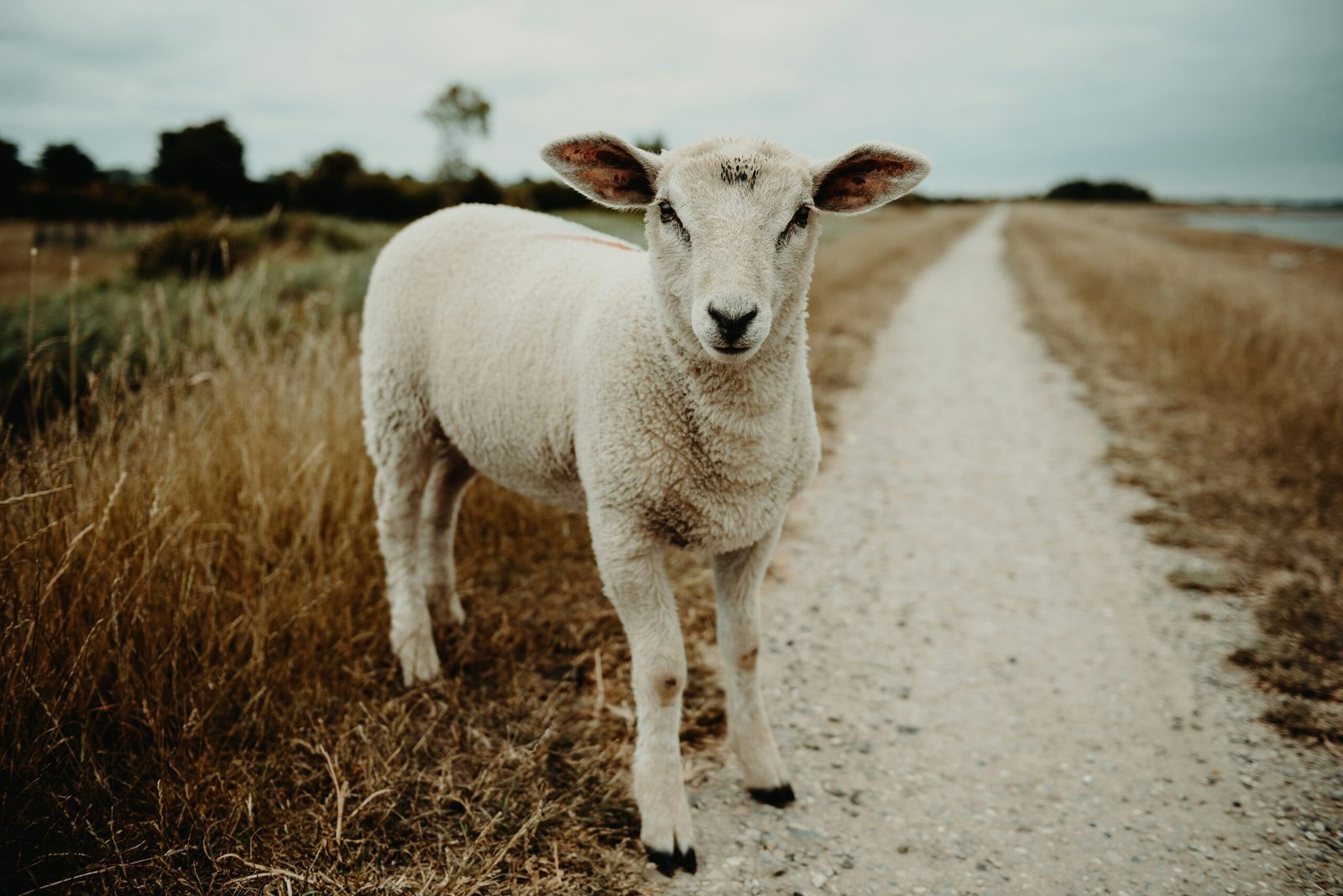
Animals are an important part of our world. They bring companionship, support healthy ecosystems, and play a valuable role in our everyday lives. Whether they are pets, farm animals, or wildlife, every animal deserves proper care, kindness, and respect.
Animal Care is not only about providing food and shelter. It involves understanding animals’ physical and emotional needs, keeping them healthy and safe, and treating them with compassion. Learning how to care for animals can also help people develop important qualities such as responsibility, patience, empathy, and kindness.
What Is Animal Care?
Animal Care refers to the responsible treatment and well-being of animals. It includes providing proper nutrition, clean water, safe shelter, healthcare, exercise, and a suitable environment.
Good animal care may involve:
- Providing healthy food and clean water
- Maintaining a clean and safe living environment
- Regular health check-ups
- Grooming and hygiene
- Providing exercise and physical activity
- Understanding animal behavior
- Offering love, attention, and companionship
- Protecting animals from harm and neglect
Proper care helps animals live healthier, safer, and happier lives.
Why Is Animal Care Important?
Animals depend on humans for many aspects of their well-being, especially domesticated pets and farm animals. Responsible care ensures that their basic needs are met and that they are treated with dignity and respect.
Animal care is also an important way to teach people about compassion and responsibility. When individuals understand the needs of animals, they become more aware of how their actions can affect other living beings.
1. Promotes Animal Health and Well-Being
Proper nutrition, hygiene, exercise, and veterinary care are essential for maintaining an animal’s health. Regular attention can help identify health problems early and ensure that animals receive appropriate treatment.
A healthy animal is more likely to live a comfortable and active life.
2. Teaches Responsibility
Caring for an animal requires commitment. Animals depend on their caregivers every day for food, water, shelter, and attention.
Taking responsibility for an animal teaches individuals the importance of consistency, patience, and dedication. These qualities can also be valuable in education, work, and everyday life.
3. Develops Compassion and Empathy
Animals cannot always communicate their needs through words. Learning to understand their behavior and respond to their needs helps people develop empathy.
Caring for animals encourages individuals to recognize that other living beings also experience emotions, discomfort, fear, and happiness.
4. Builds a Strong Connection With Animals
Spending time with animals can create strong and meaningful relationships. Whether it is caring for a family pet or working with farm animals, positive interactions can build trust and companionship.
These relationships can provide comfort, joy, and valuable life experiences.
5. Encourages Respect for Nature
Animal care can help people understand the importance of protecting biodiversity and natural habitats. Learning about animals and their role in ecosystems can encourage greater respect for wildlife and the environment.
This understanding can inspire people to make responsible choices that support animal welfare and environmental conservation.
Animal Care for Children and Young People
Teaching children about animal care can be a valuable educational experience. When children learn how to safely interact with and care for animals, they can develop important personal and social skills.
Animal care can help young people learn:
- Responsibility
- Patience
- Kindness
- Empathy
- Communication
- Confidence
- Respect for living beings
Simple activities such as feeding animals, cleaning their living areas, or observing their behavior can teach children valuable lessons about responsibility and care.
Caring for Farm Animals
Farm animals require specialized care to remain healthy and productive. Depending on the species, they may need appropriate food, clean water, shelter, regular health monitoring, and sufficient space.
Responsible farm animal care also involves understanding animal behavior and ensuring that animals are handled safely and humanely.
Providing good care is essential not only for animal welfare but also for maintaining a healthy and sustainable farming environment.
Caring for Pets
Pets are an important part of many families. Dogs, cats, birds, rabbits, and other companion animals require regular care and attention.
Responsible pet ownership includes providing:
- Balanced nutrition
- Fresh drinking water
- Regular exercise
- Veterinary care
- Vaccinations when required
- A safe and comfortable home
- Mental stimulation and companionship
Pet owners should also understand the specific needs of their animals because different species and breeds may require different types of care.
The Importance of Animal Safety
Animal safety is an essential part of responsible care. Animals should be protected from dangerous environments, harmful substances, extreme weather, and unnecessary stress.
People should also learn how to interact with animals safely. Understanding animal body language and behavior can help prevent accidents and create a more positive relationship between humans and animals.
Animal Care and Environmental Responsibility
Caring for animals is closely connected to protecting the environment. Wildlife depends on healthy ecosystems for food, shelter, and survival.
Protecting natural habitats, reducing pollution, avoiding unnecessary harm to wildlife, and supporting conservation efforts are important ways to contribute to animal welfare.
By understanding the relationship between animals and their environment, we can become more responsible stewards of the natural world.
Learning Through Hands-On Animal Care
Hands-on experiences can make animal education more meaningful. Visiting a farm, animal sanctuary, educational center, or nature program allows participants to observe animals closely and learn about their needs.
These experiences can help people develop a deeper understanding of animal behavior, welfare, and responsible care. They can also create memorable learning opportunities that encourage respect and compassion.
Conclusion
Animal Care is an essential responsibility that goes beyond providing basic necessities. It is about creating a safe, healthy, and respectful environment where animals can thrive.
By learning how to care for animals, individuals can develop valuable qualities such as compassion, empathy, patience, and responsibility. Whether caring for a beloved pet, helping with farm animals, or protecting wildlife, every positive action can make a difference.
Ultimately, responsible animal care helps create a kinder world where people and animals can live together with greater respect, understanding, and compassion.