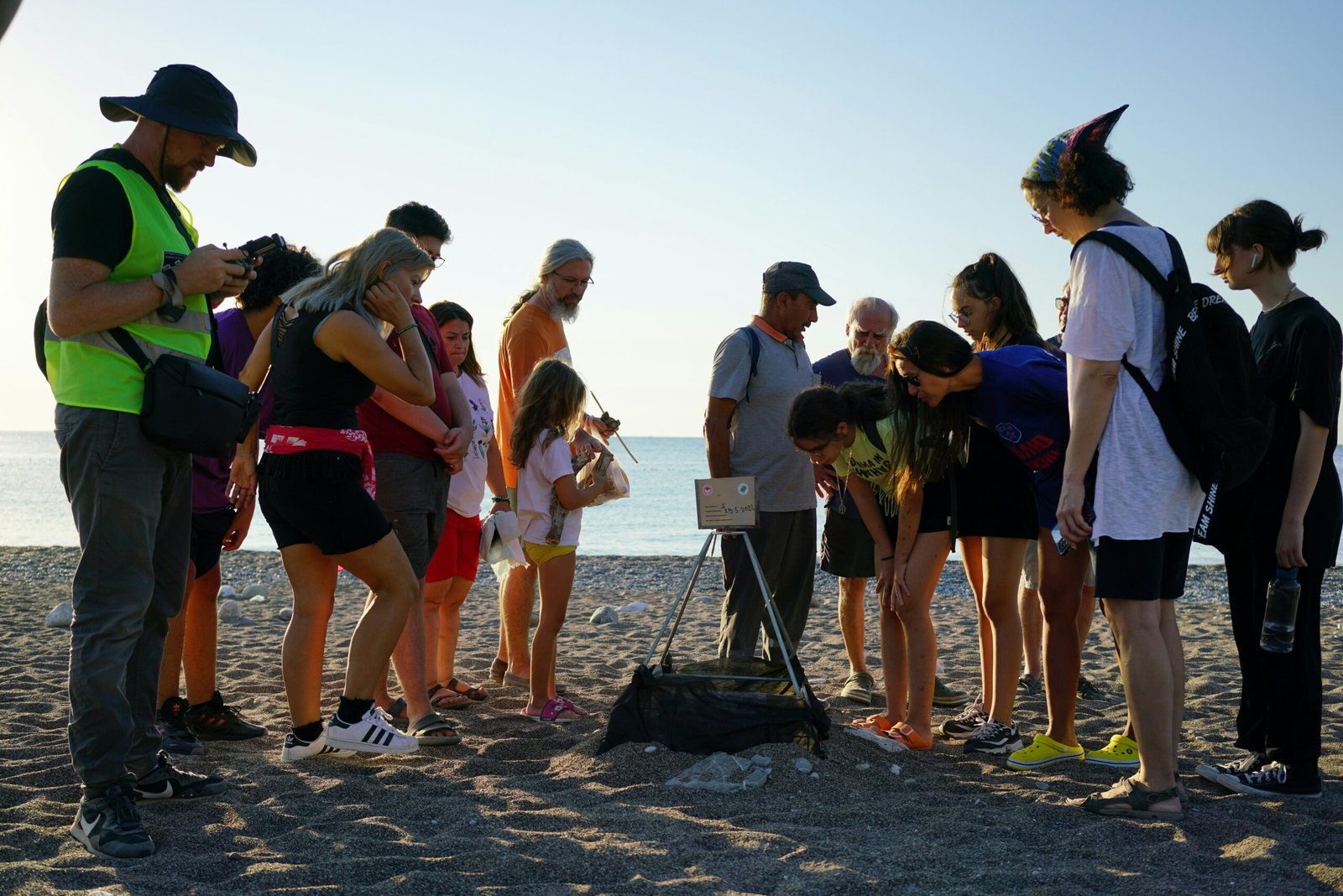
Education is not limited to classrooms, textbooks, and examinations. Some of the most valuable lessons are learned through real-life experiences, teamwork, exploration, and interaction with nature. Outdoor Education provides students and learners with opportunities to step outside the traditional classroom and develop practical skills in natural and real-world environments.
From hiking and camping to team-building activities and environmental exploration, outdoor education combines learning with adventure. It helps individuals become more confident, responsible, independent, and aware of the world around them.
What Is Outdoor Education?
Outdoor Education is a learning approach that uses outdoor environments and practical experiences as a way to develop knowledge, skills, and personal growth. Instead of learning only through lectures or books, participants actively engage in activities that encourage problem-solving, teamwork, leadership, and critical thinking.
Outdoor education programs can include:
- Hiking and nature walks
- Camping and survival skills
- Team-building activities
- Environmental education
- Outdoor leadership programs
- Adventure activities
- Orienteering and navigation
- Community and conservation projects
These experiences allow learners to apply what they learn in practical situations while developing a deeper connection with nature.
Why Is Outdoor Education Important?
Outdoor education plays an important role in the physical, mental, social, and emotional development of individuals. It creates opportunities to learn in an environment that is different from the traditional classroom.
1. Develops Teamwork and Communication
Many outdoor activities require participants to work together to achieve a common goal. Whether completing a group challenge, navigating a trail, or setting up a campsite, participants learn how to communicate effectively, listen to others, and cooperate as a team.
These skills are valuable not only in education but also in future workplaces and everyday life.
2. Builds Confidence and Independence
Outdoor environments often present new challenges and unfamiliar situations. Successfully overcoming these challenges helps participants develop self-confidence and independence.
Learning how to make decisions, solve problems, and take responsibility for personal actions can have a lasting impact on personal development.
3. Encourages Physical Activity
Outdoor education naturally encourages people to stay active. Activities such as hiking, walking, climbing, camping, and outdoor games can improve physical fitness while making exercise enjoyable.
Regular outdoor activities can also encourage healthier lifestyle habits and help participants appreciate the benefits of staying physically active.
4. Connects People With Nature
One of the key benefits of outdoor education is developing a stronger relationship with the natural environment. Spending time outdoors helps participants understand ecosystems, wildlife, natural resources, and environmental challenges.
This connection can encourage greater environmental awareness and inspire individuals to take responsibility for protecting nature.
5. Improves Problem-Solving Skills
Outdoor activities often involve unexpected challenges. Participants may need to find a route, make decisions as a team, manage limited resources, or adapt to changing conditions.
These situations encourage practical thinking and help learners develop problem-solving and decision-making skills that can be applied in real life.
Learning Through Real-Life Experiences
One of the greatest strengths of outdoor education is experiential learning. Participants do not simply hear about a concept—they experience it directly.
For example, a lesson about environmental conservation can become more meaningful when students visit a natural area, observe local ecosystems, and participate in a conservation activity. Similarly, leadership skills can be developed through real challenges that require participants to take responsibility and guide others.
This hands-on approach often makes learning more memorable and engaging.
Outdoor Education for Children and Young People
Outdoor education can be particularly valuable for children and young people. It provides an opportunity to explore, discover, and learn in a safe and structured environment.
Through outdoor programs, young people can develop:
- Leadership skills
- Self-confidence
- Communication skills
- Teamwork
- Creativity
- Resilience
- Responsibility
- Environmental awareness
These skills can support both academic development and personal growth.
The Role of Outdoor Education in Personal Growth
Outdoor education is about more than adventure. It helps individuals understand their own strengths and weaknesses. Facing challenges outside a familiar environment can teach resilience and patience.
When participants overcome difficulties, they often gain a stronger belief in their ability to handle challenges. This personal growth can influence how they approach education, careers, relationships, and other aspects of life.
Creating Meaningful Outdoor Learning Experiences
An effective outdoor education program should be carefully planned and designed around clear learning objectives. Activities should be suitable for the participants’ age, abilities, and experience levels.
A successful program may combine adventure, environmental learning, teamwork, reflection, and practical skills. Most importantly, participants should have opportunities to reflect on their experiences and understand how the lessons learned outdoors can be applied to everyday life.
Conclusion
Outdoor Education offers a powerful way to learn, grow, and connect with the world beyond the classroom. By combining practical experiences with exploration and adventure, it helps individuals develop important life skills such as teamwork, leadership, confidence, problem-solving, and environmental responsibility.
In a world where people increasingly spend time indoors and behind screens, outdoor education provides a valuable opportunity to reconnect with nature, challenge ourselves, and learn through experience. Whether through a simple nature walk or a structured outdoor adventure program, every experience outside the classroom can become an opportunity for meaningful learning.